Daffodils
Folklore Fact Friday

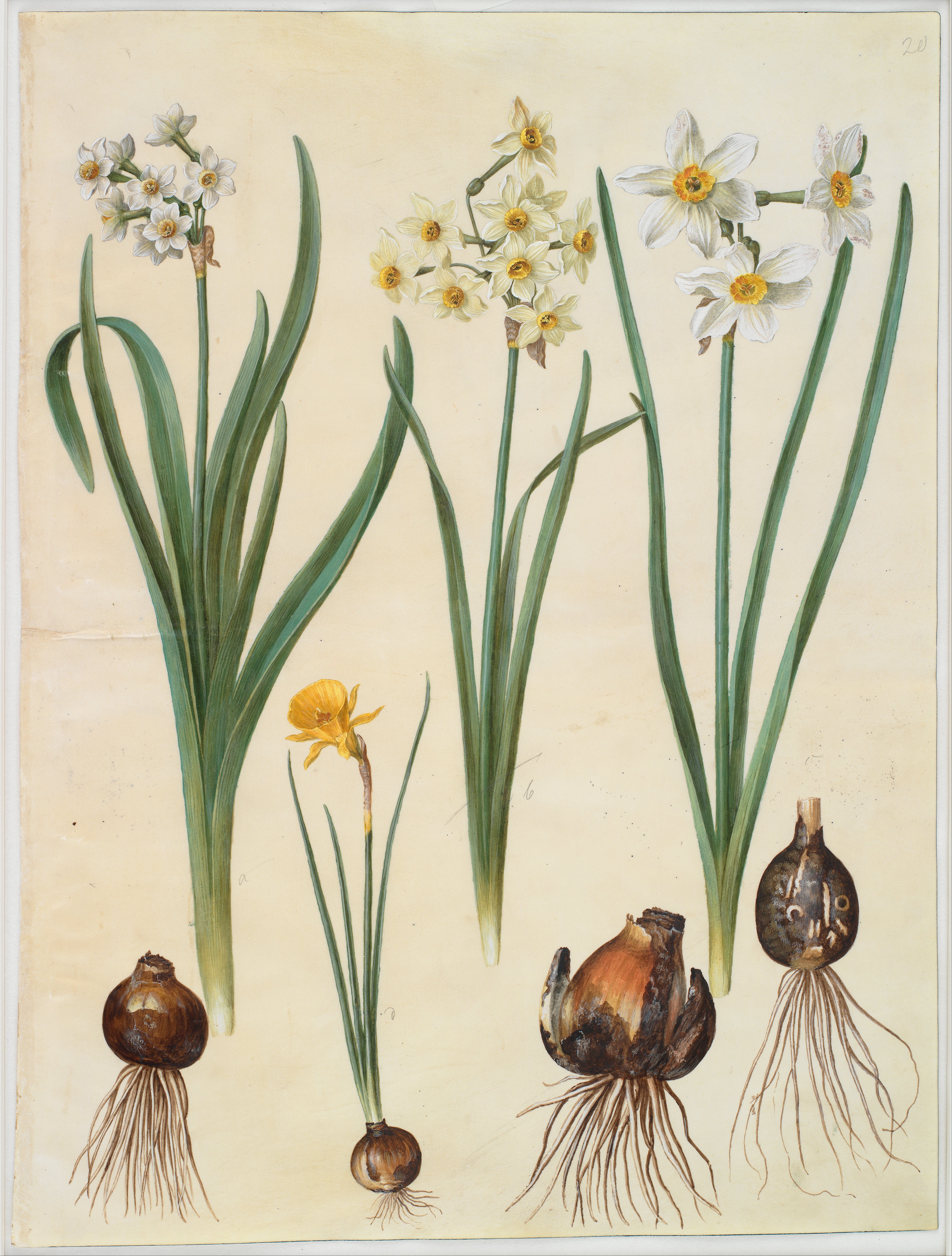
For us in cold Sweden, when the first daffodils spring to life, we know for sure that spring has finally arrived.
Daffodils are not particularly popular where I grew up in Spain, and so, when I moved here, they caught my attention when I saw them populate stores around March and April. The Swedes call it Easter lily (Påsklilja), similar to the British name Lent Lily, and are a common decoration for Easter. Because of their strong association with spring, much of their folk symbolism is associated with renewal, good luck and abundance. It is said that receiving daffodils will bring luck, but beware - you can never send only one, for this brings misfortune! They are also the national flower of Wales and the birth flower for March.
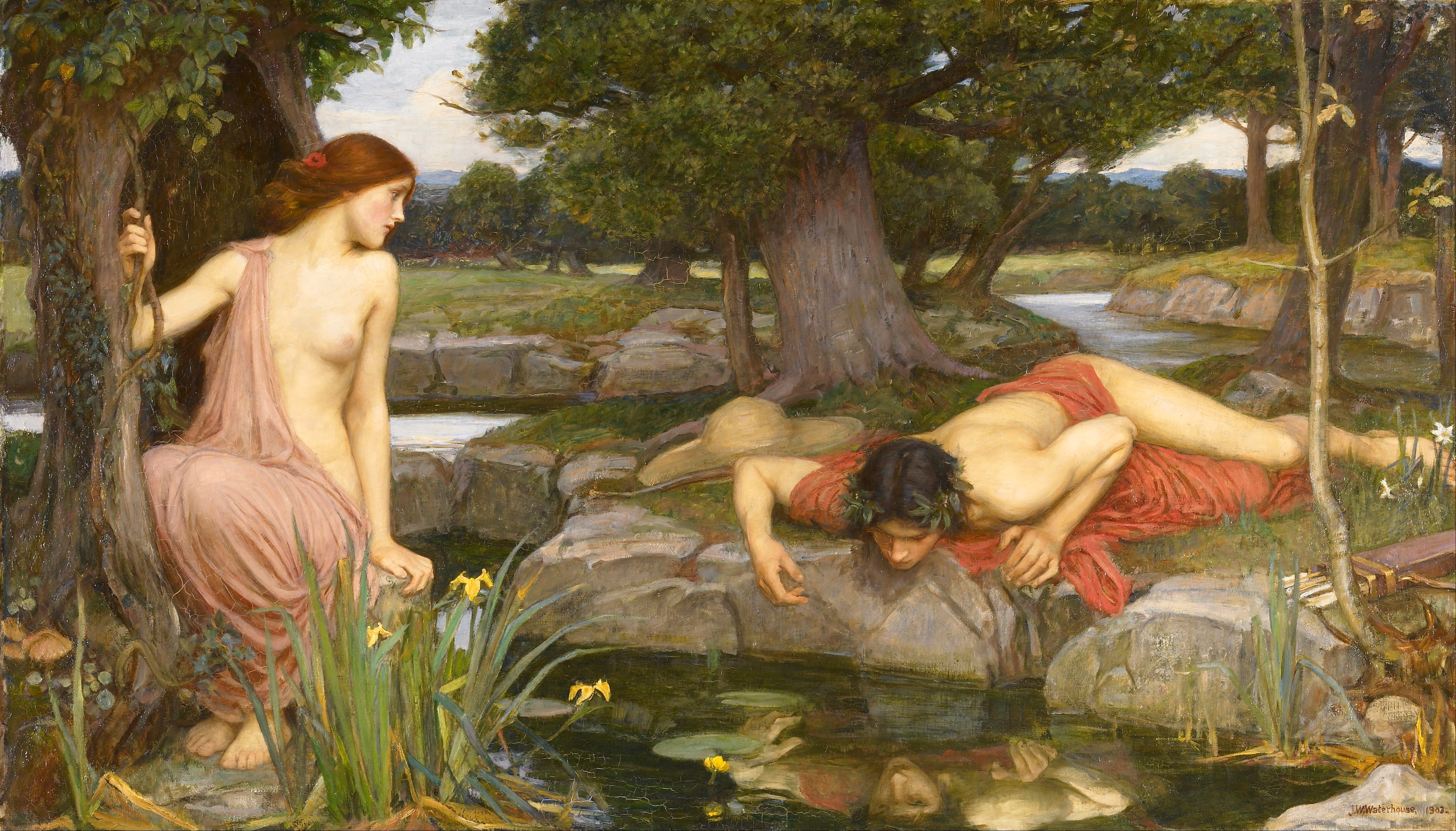
They are perhaps most well known for their origin story from Greek Mythology. There once was a nymph called Echo, who had been cursed by Hera to only ever be able to repeat what others said. One day, she saw the beautiful youth Narcissus, and fell in love. Yet, as she followed him through the woods, every time he asked her who she was, she could only repeat back his question, and eventually Narcissus shunned and rejected her. Seeing Echo’s deep sorrow, the goddess of revenge Nemesis led Narcissus to look at his own reflection in a pool of water. He became completely enthralled, unable to move away, and eventually perished, turning into a daffodil. Another mention of this flower in Greek mythology comes from the myth of Persephone, as she was said to be lured into picking daffodils when Hades kidnaps her.
Thus, their symbolism is ambivalent, meaning both vanity and good fortune. In folk magic, it is said that the flowers can be placed on the altar or carried when performing love spells. Placing a plant in the bedroom will increase fertility and if you pluck a daffodil and wear it close to your heart, surely good luck will come your way. It’s not a plant used in folk medicine, as the bulbs are poisonous, especially to animals.