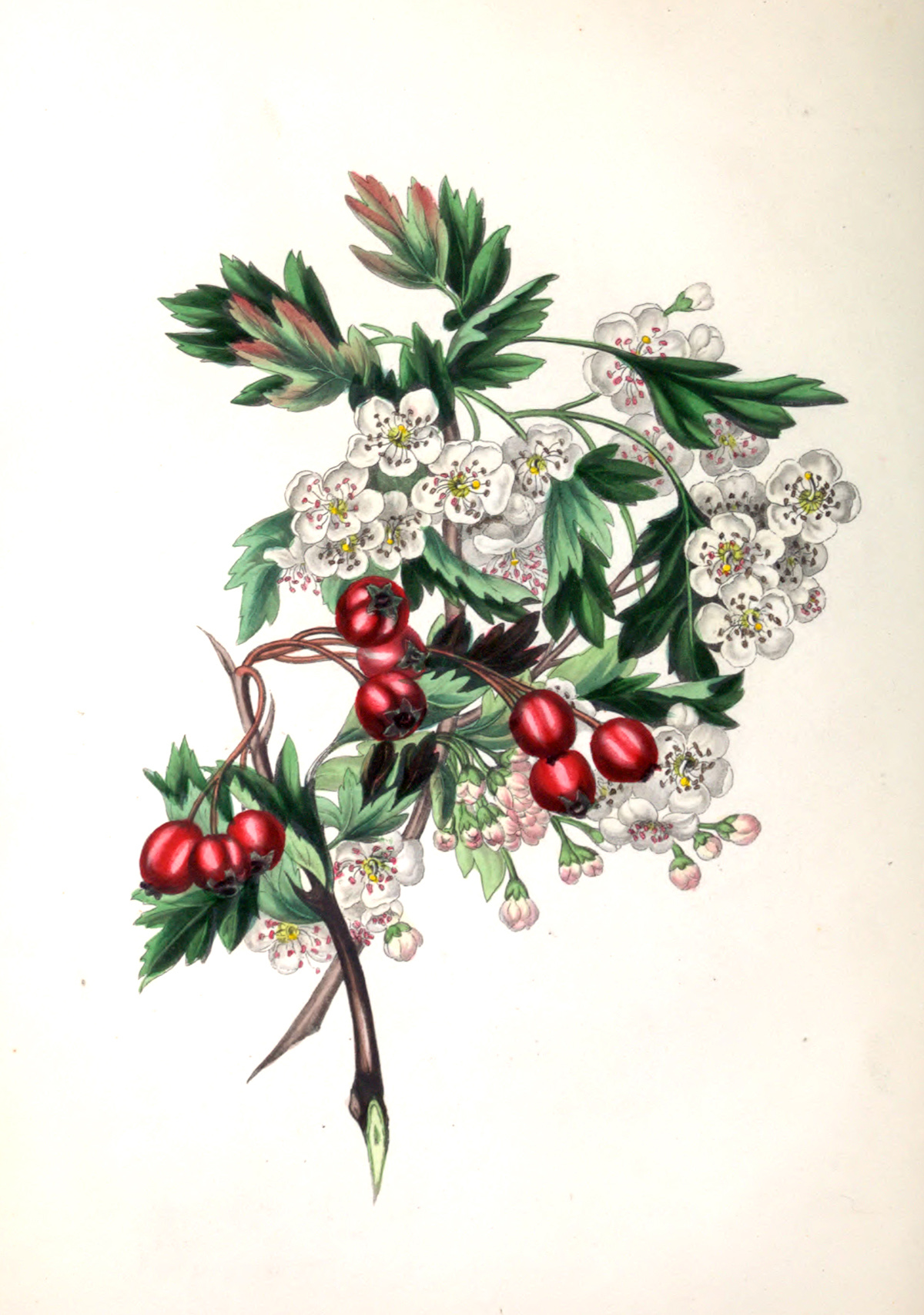
Hawthorn
Folklore Fact Friday

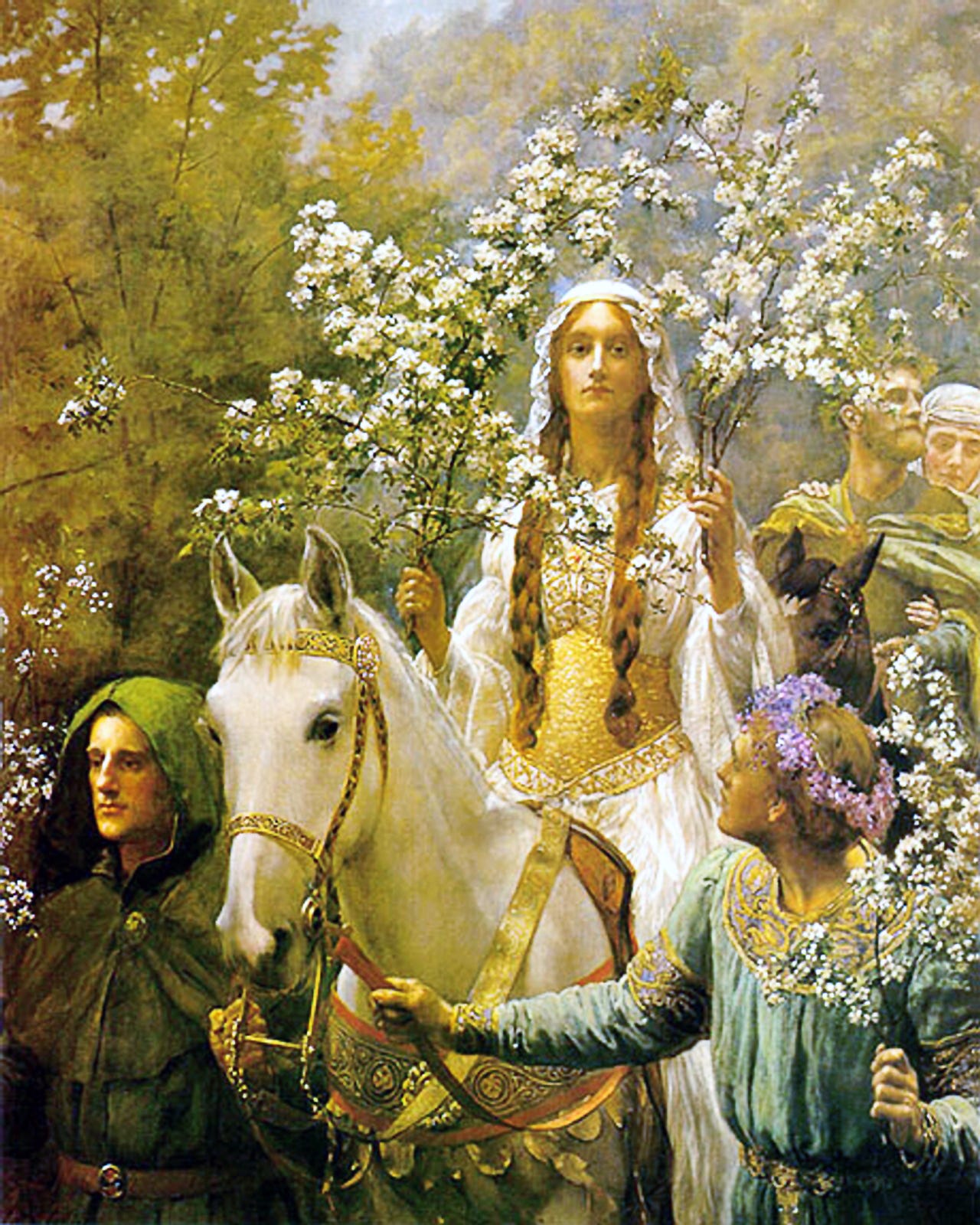
One of the most famous trees in popular folklore, the Hawthorn is the tree of the heart and the fairies.
In folk medicine it has a long tradition of use as a heart tonic, perhaps because its berries are red as life blood. In Russian and German folk medicine the berries were prepared in alcohol to treat angina and in Britain it was used to treat migraines, insomnia and high blood pressure. The treatment of the heart is not only medicinal but spiritual, as hawthorn is said to be a powerful ally to work with to open the heart and heal any grief. Perhaps because of this, there are also folkloric connotations associating the hawthorn with love and fertility, which date black to Greek antiquity with the god of marriage Hymen.
Hawthorns in Britain were believed to be witches who had transformed themselves into trees, and have strong ties to the fae. For either reason, it brings bad luck to cut down a hawthorn, especially if old and solitary. The hawthorn is also strongly associated with May Day folklore, being often used for decorating maypoles. Regional folklore varies; some villages believed bringing the thorn into the home would bring disaster, while others thought it would grant luck. Curiously, its blooming flowers give off a particular scent to attract pollinators that likens that of decaying corpses. In the past, people would keep bodies in the home for some days, and were familiar with this smell, which is perhaps why it was generally considered ill luck to bring a blooming hawthorn branch into the house. Usually, doing so on May Day was safe, as long as one showed the tree and the fairies the proper respect. It was considered particularly dangerous to rest by a lone Hawthorn tree on this day, for then surely one would get kidnapped into the fairy world.
In Swedish folklore, there are some mentions of driving plugs of hawthorn into the threshold to prevent ghosts and revenants from entering the house. If someone had fallen ill due to harmful magic, it was considered good to fumigate with four hawthorn twigs picked crosswise at Midsummer. Hawthorn has also been a popular tree to transfer disease to, as we have previously seen with pines. Hawthorn was used to protect cattle as well by hanging branches over the barn, or for helping butter churn by placing a twig at the bottom of the churn. If the butter had been cursed by a witch, one could churn it with a hawthorn twig and then throw it into the fire, which would cause the offending witch to appear.
I sadly have not been able to locate a single hawthorn in my area, and I am so eager to meet one! Do you have a relationship with this wonderful tree?